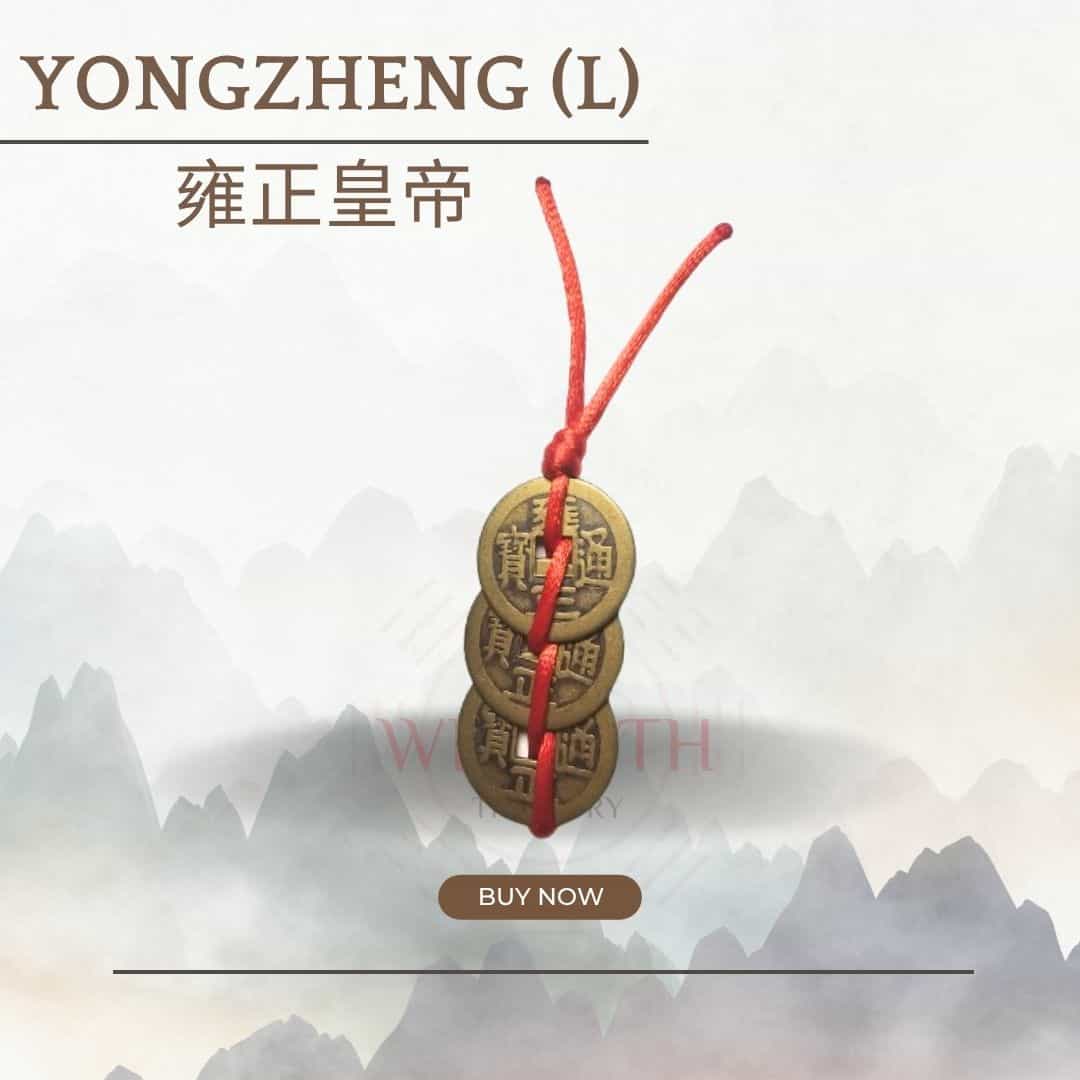
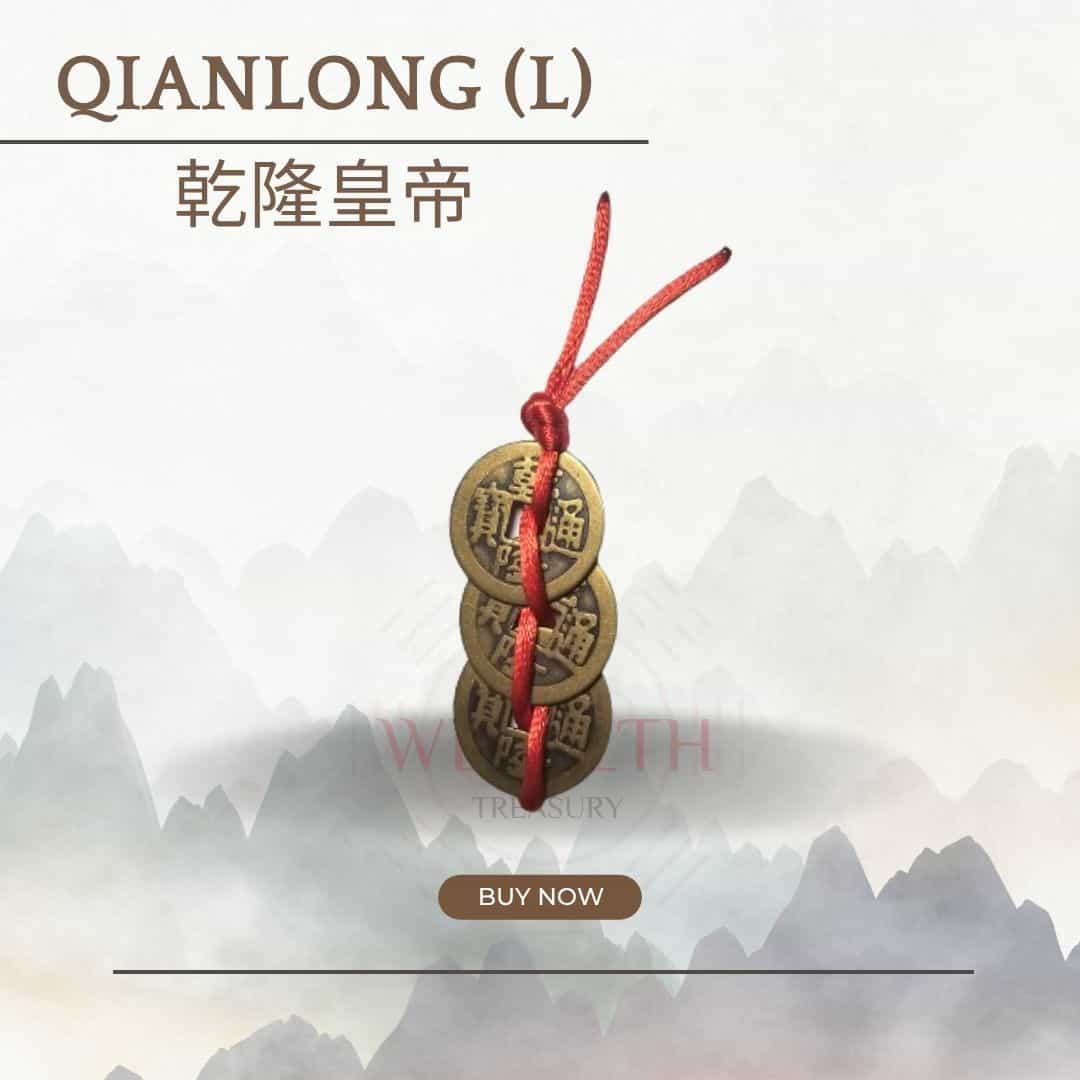
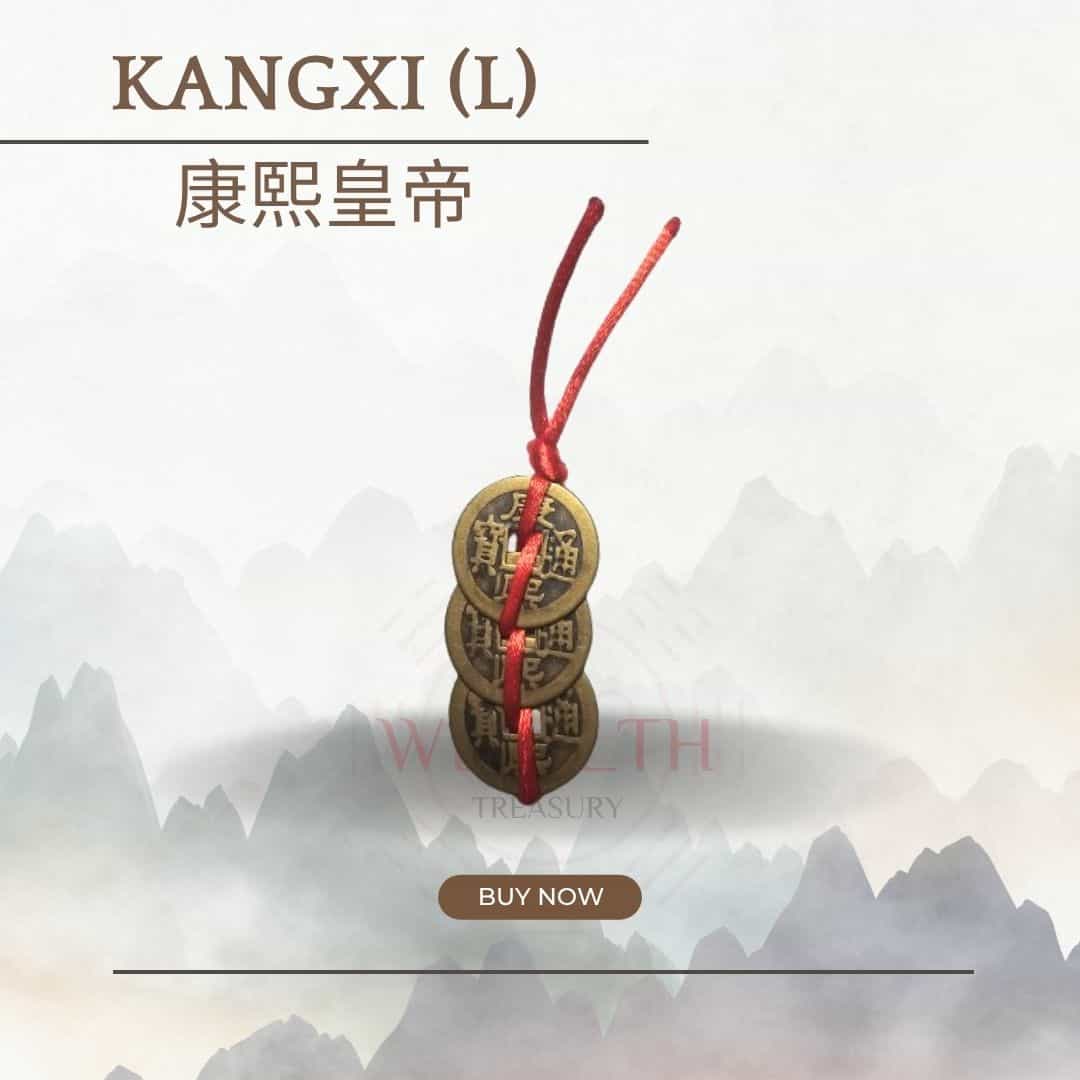
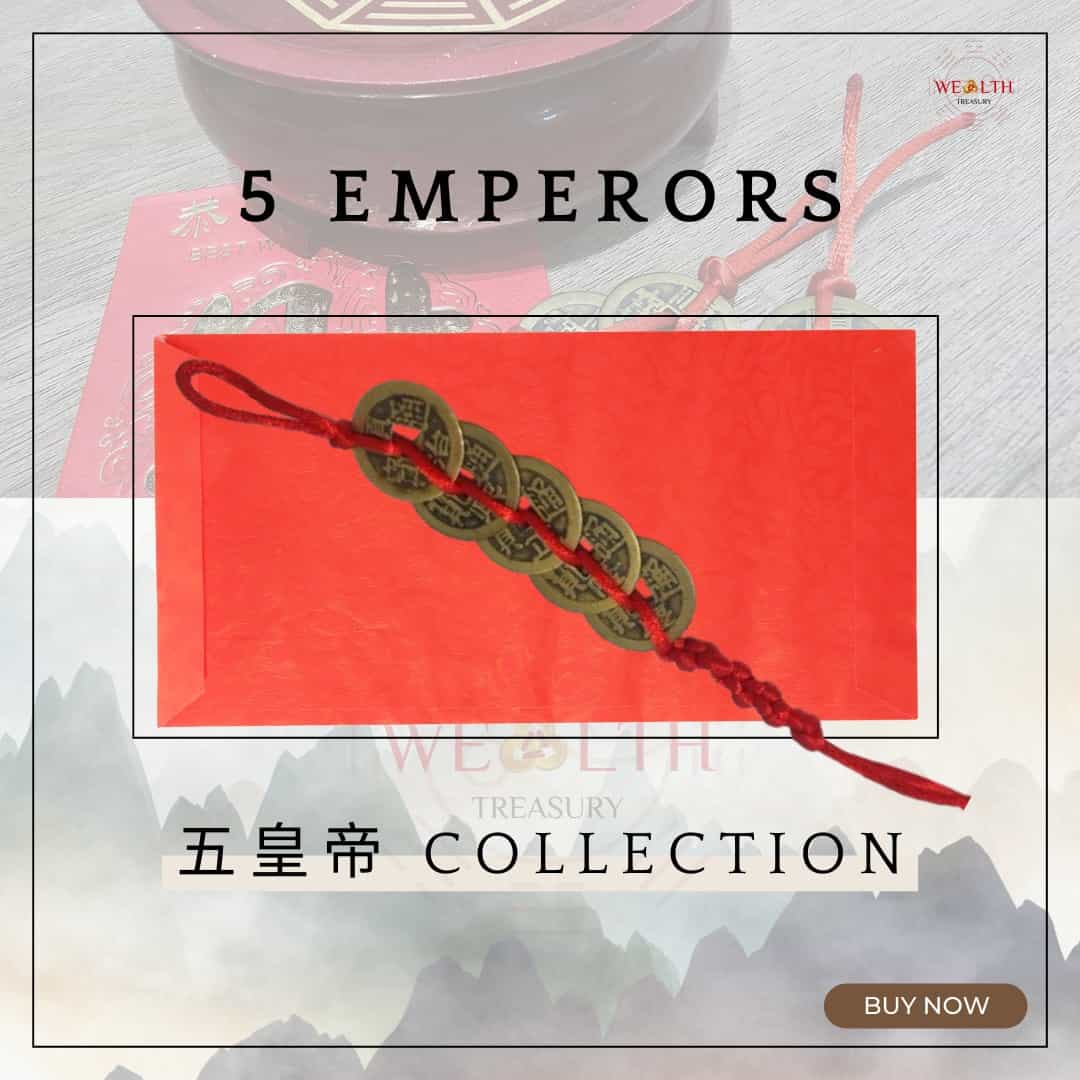
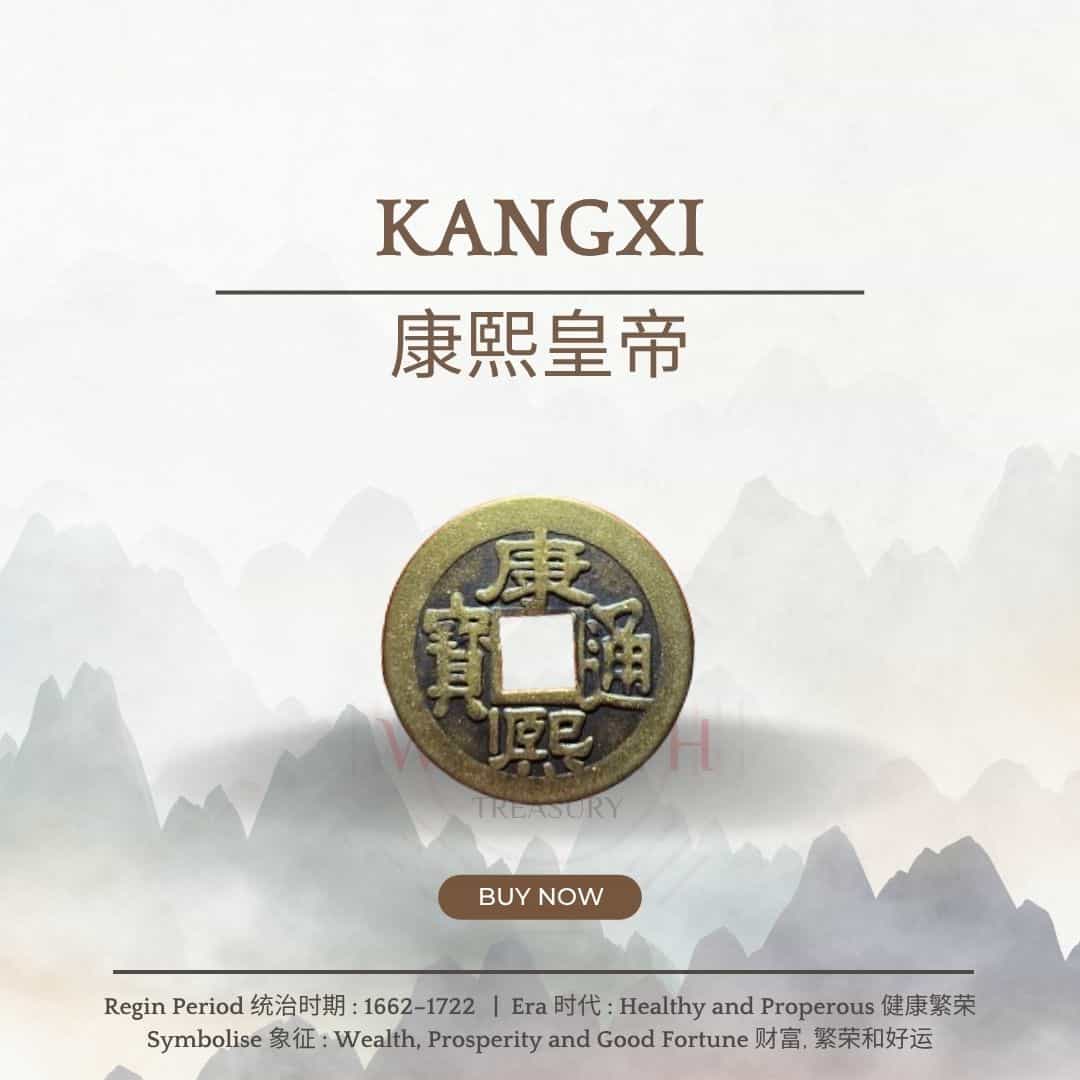
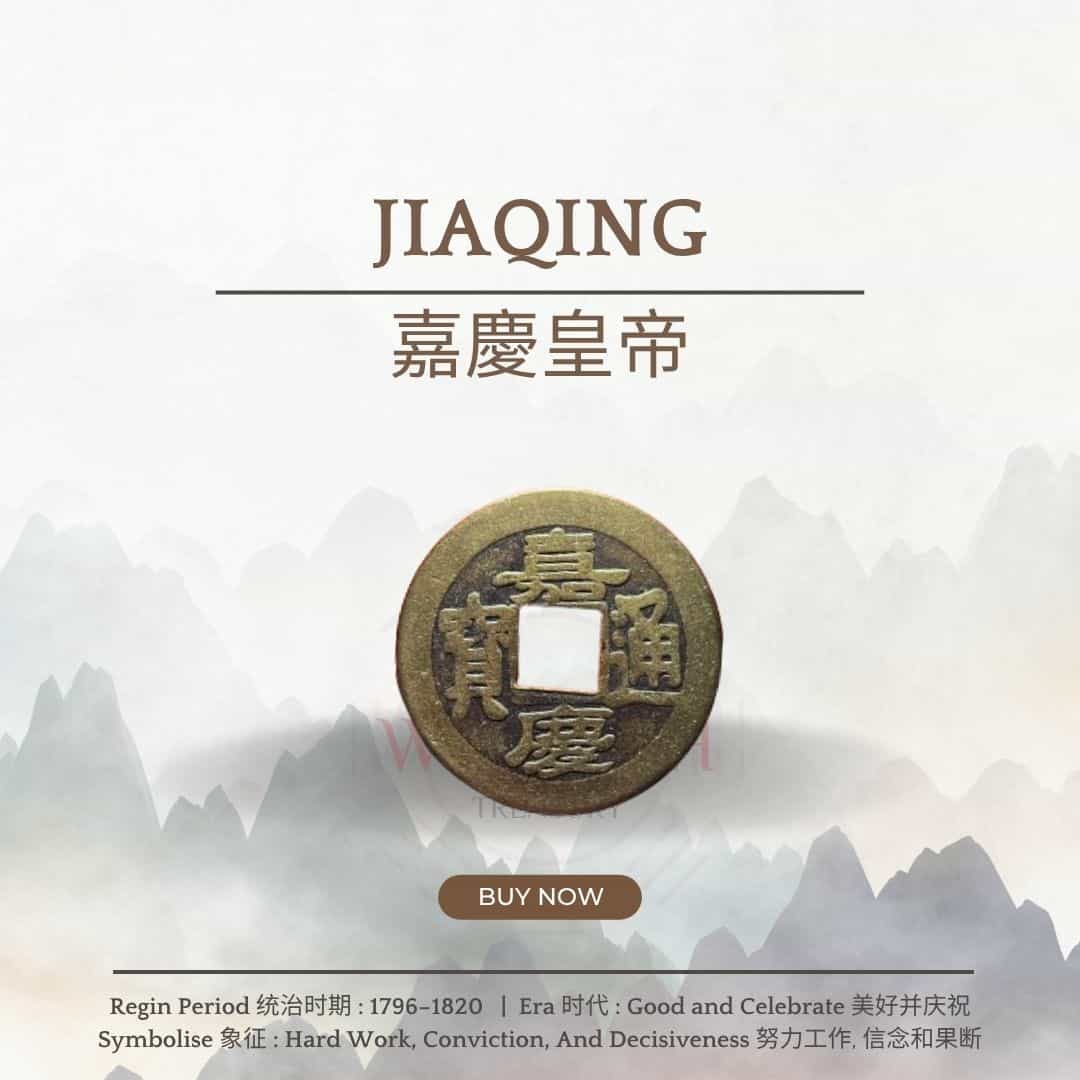
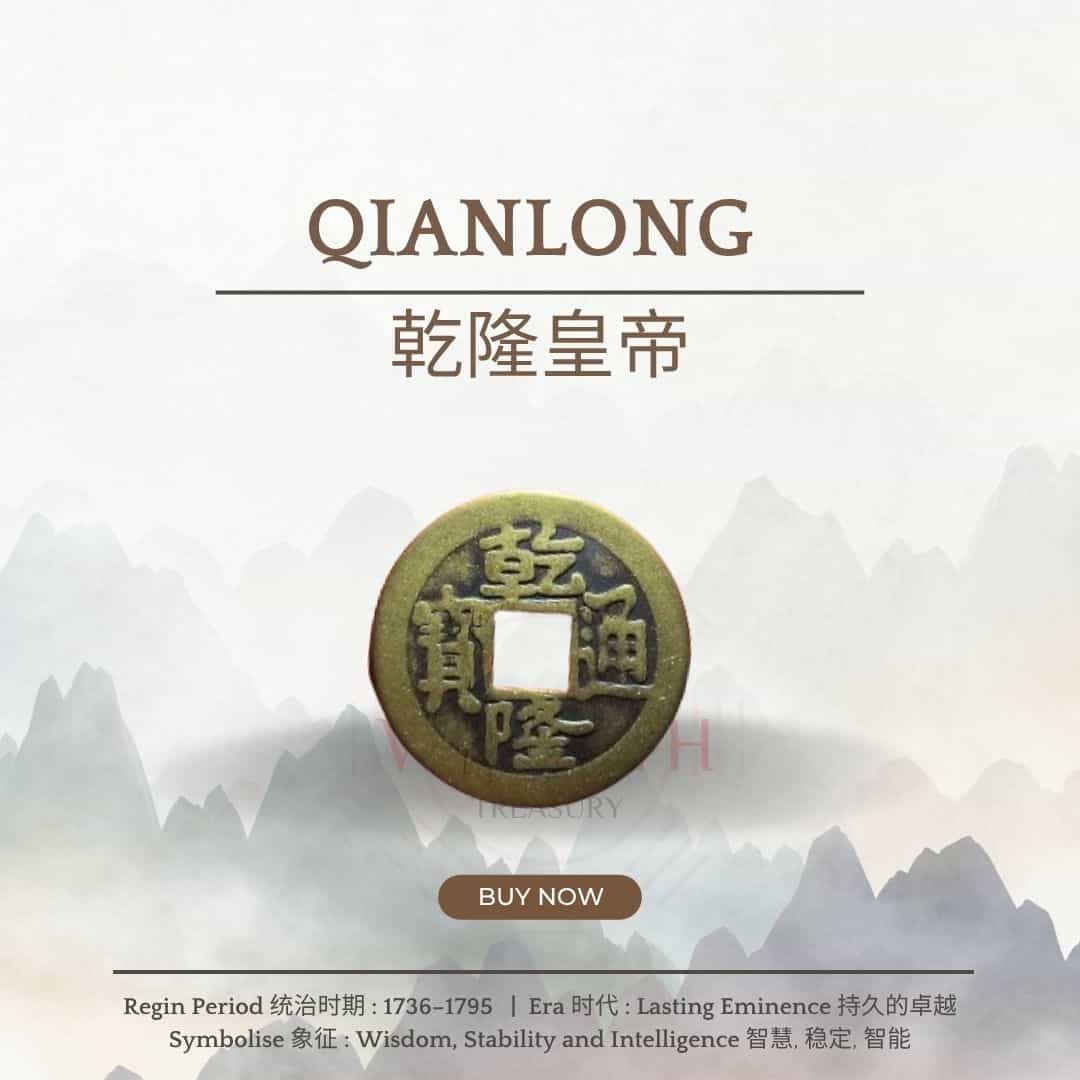
Yongzheng Tongbao (雍正通寶).
Yongzheng Tongbao (雍正通寶). These were minted during the reign of the Yongzheng Emperor (1722–1735) of the Qing dynasty, who succeeded the Kangxi Emperor and ruled for a relatively short period. The coins follow the classic Chinese cash coin style: round with a square central hole, symbolizing heaven and earth. The obverse inscription reads “雍正通寶”, meaning “circulating treasure of Yongzheng,” usually written in regular script. On the reverse, most coins bear mint marks in Manchu script (and sometimes Chinese), which identify the mint where they were cast. The main Beijing mints were the Board of Revenue (寶源) and the Board of Works (寶泉), but regional mints also produced issues, each with distinctive marks. Yongzheng coins were typically cast in bronze or brass, with diameters around 23–26 mm and weights of about 3–5 grams. Because the emperor’s reign was relatively short compared to Kangxi (61 years) or Qianlong (60 years), Yongzheng coins are scarcer than those of his father or son. This makes them somewhat more attractive to collectors, especially rare provincial issues or varieties with unusual calligraphy. Historically, these coins reflect an era of strict reforms and centralization under Yongzheng, who worked to strengthen the empire after Kangxi’s long rule and set the stage for Qianlong’s prosperous reign.
Product Information
Product Information
Shipping & Returns
Shipping & Returns