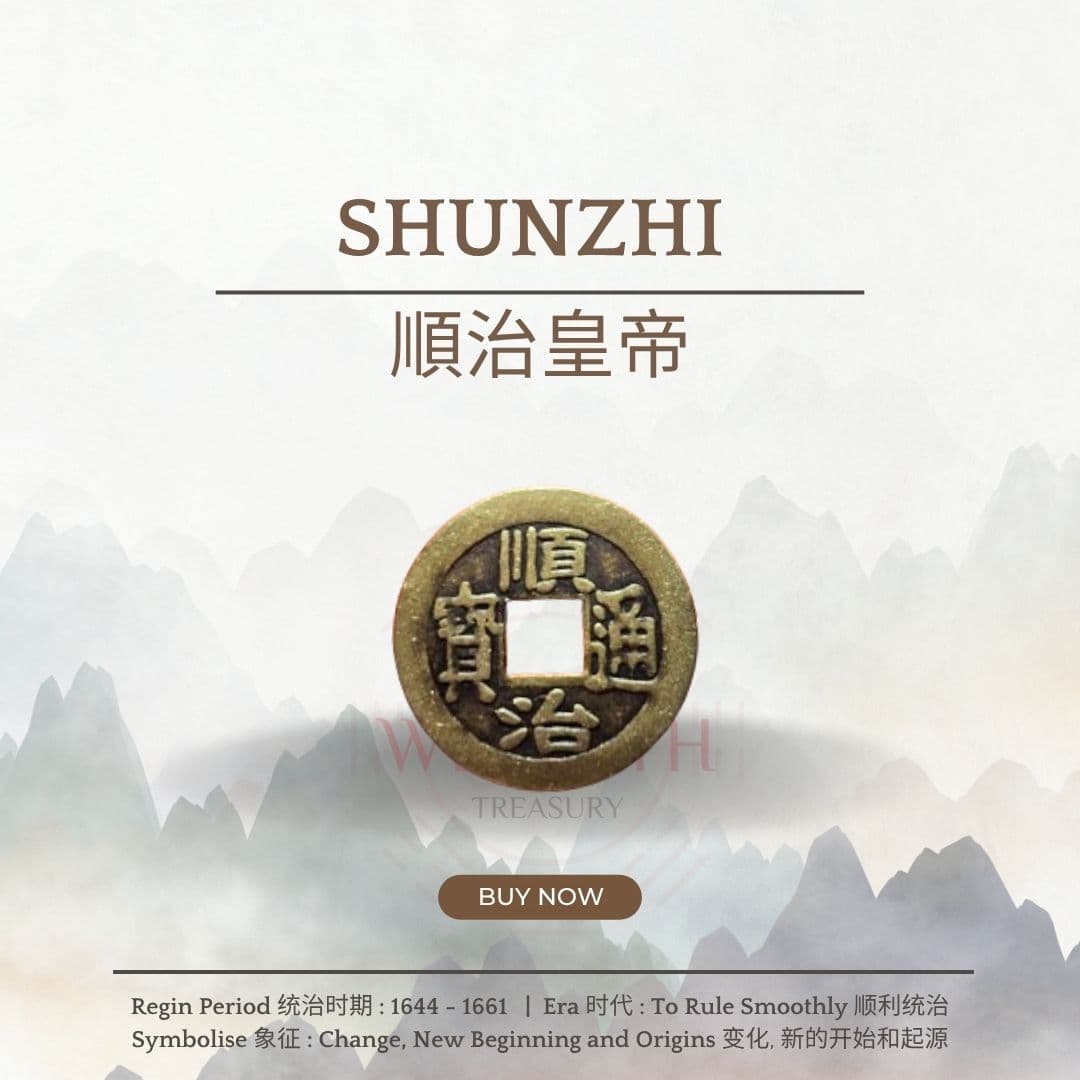
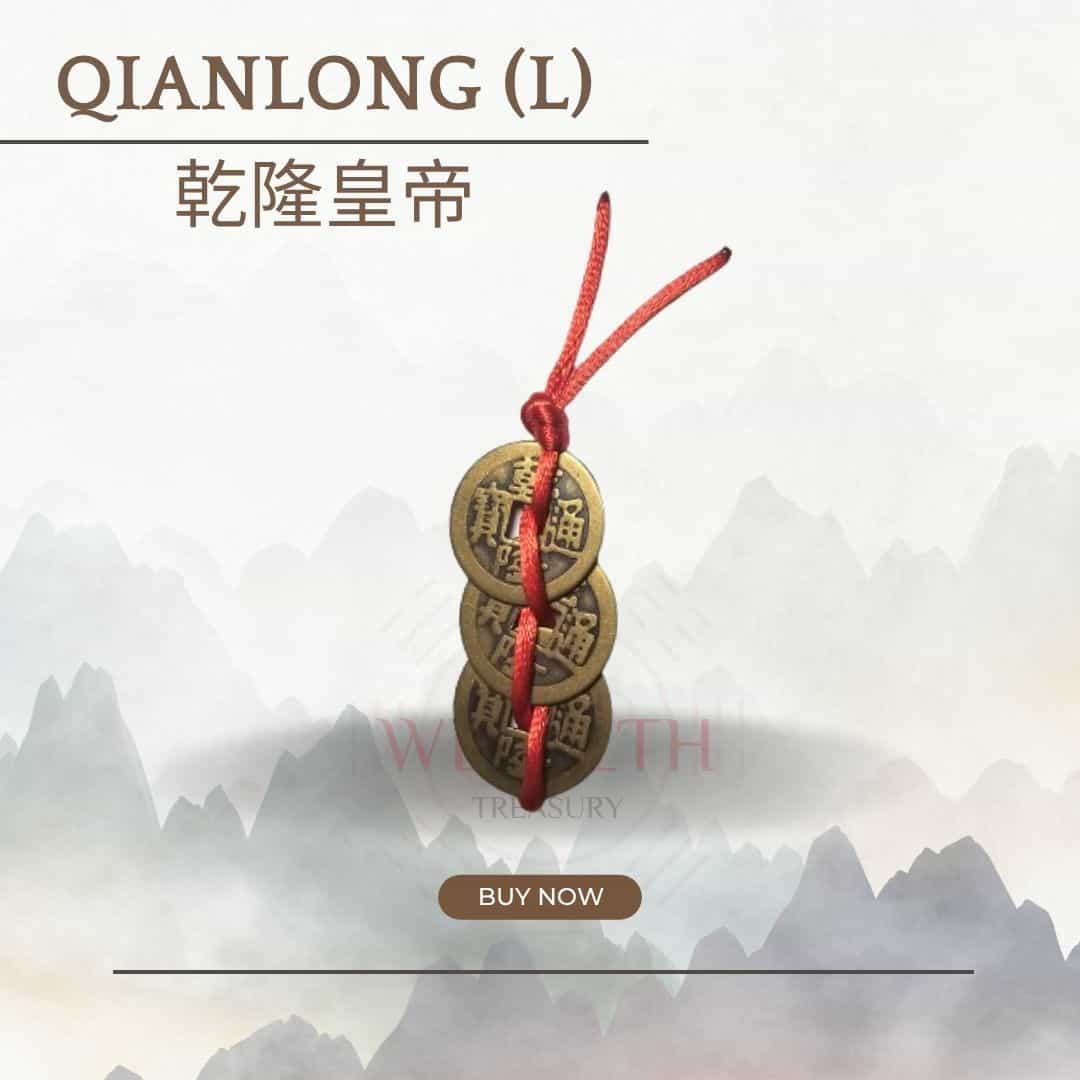
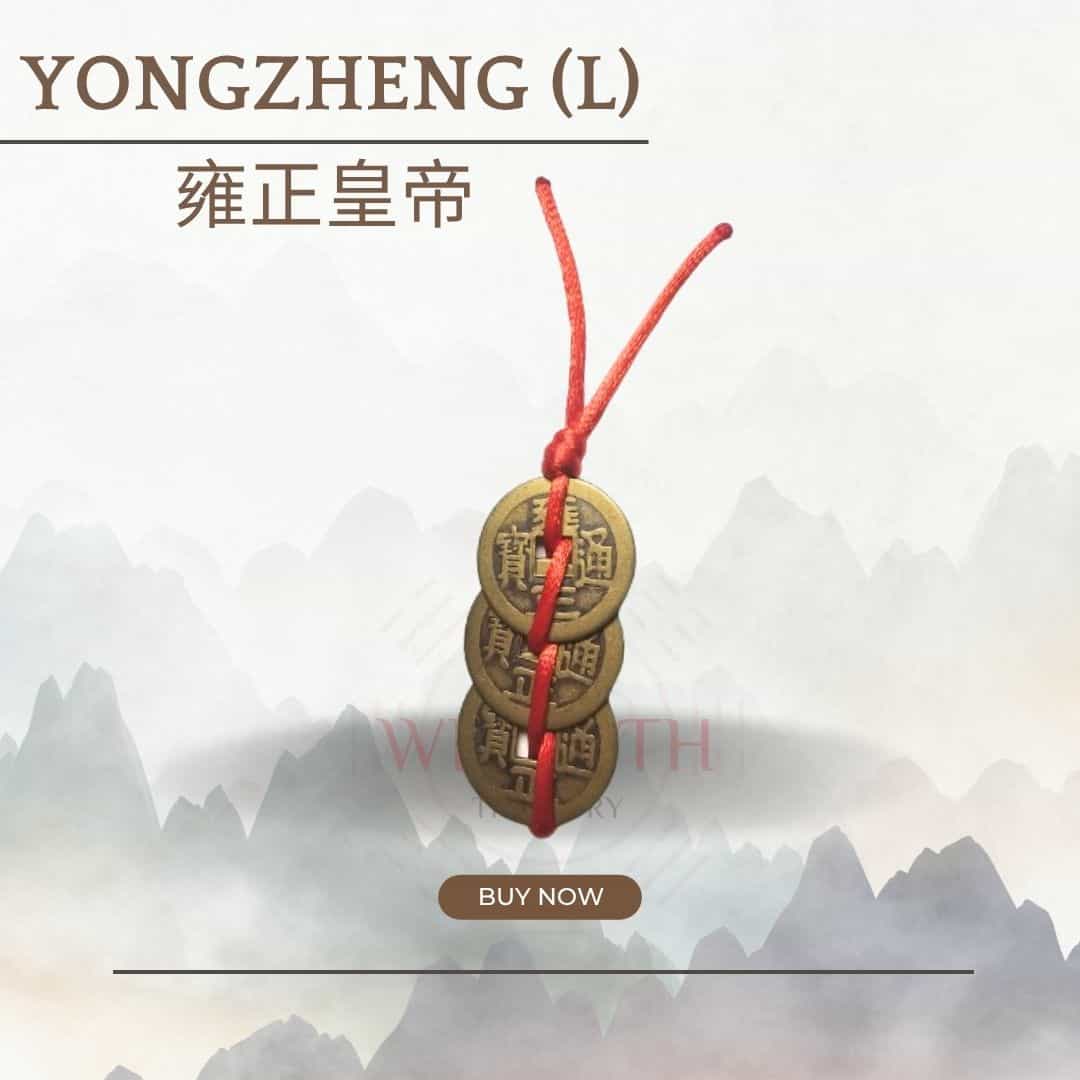
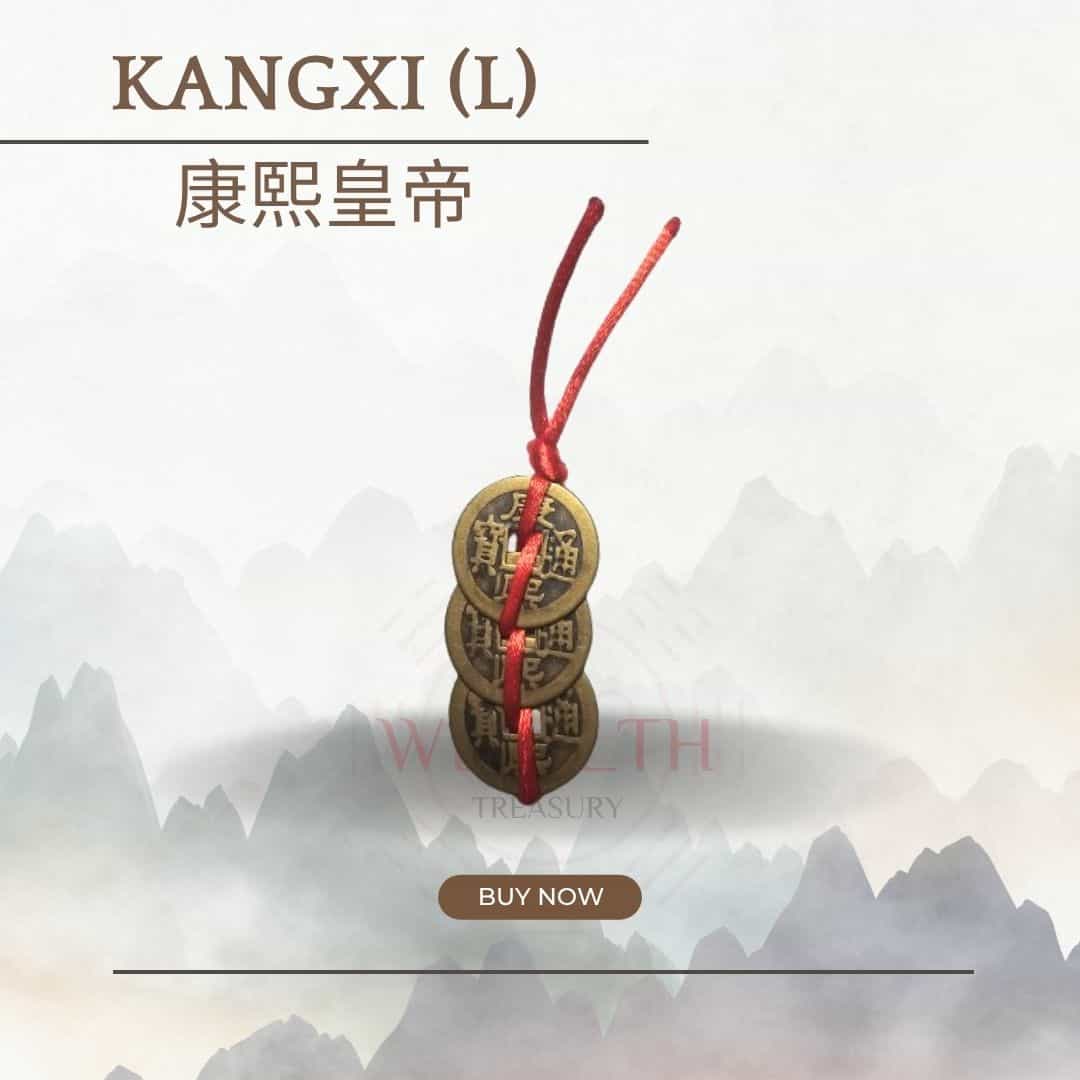
Shunzhi Tongbao (順治通寶)
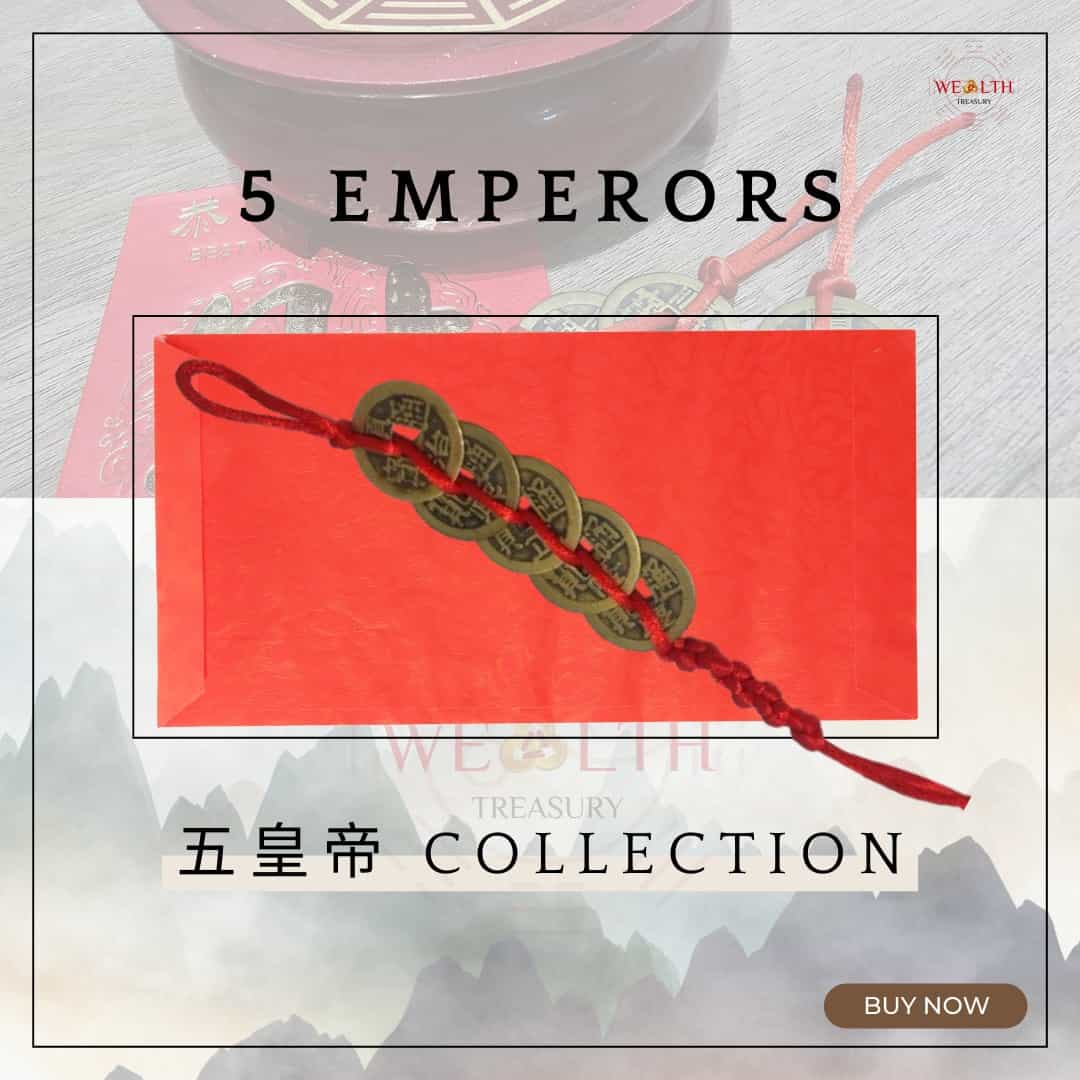
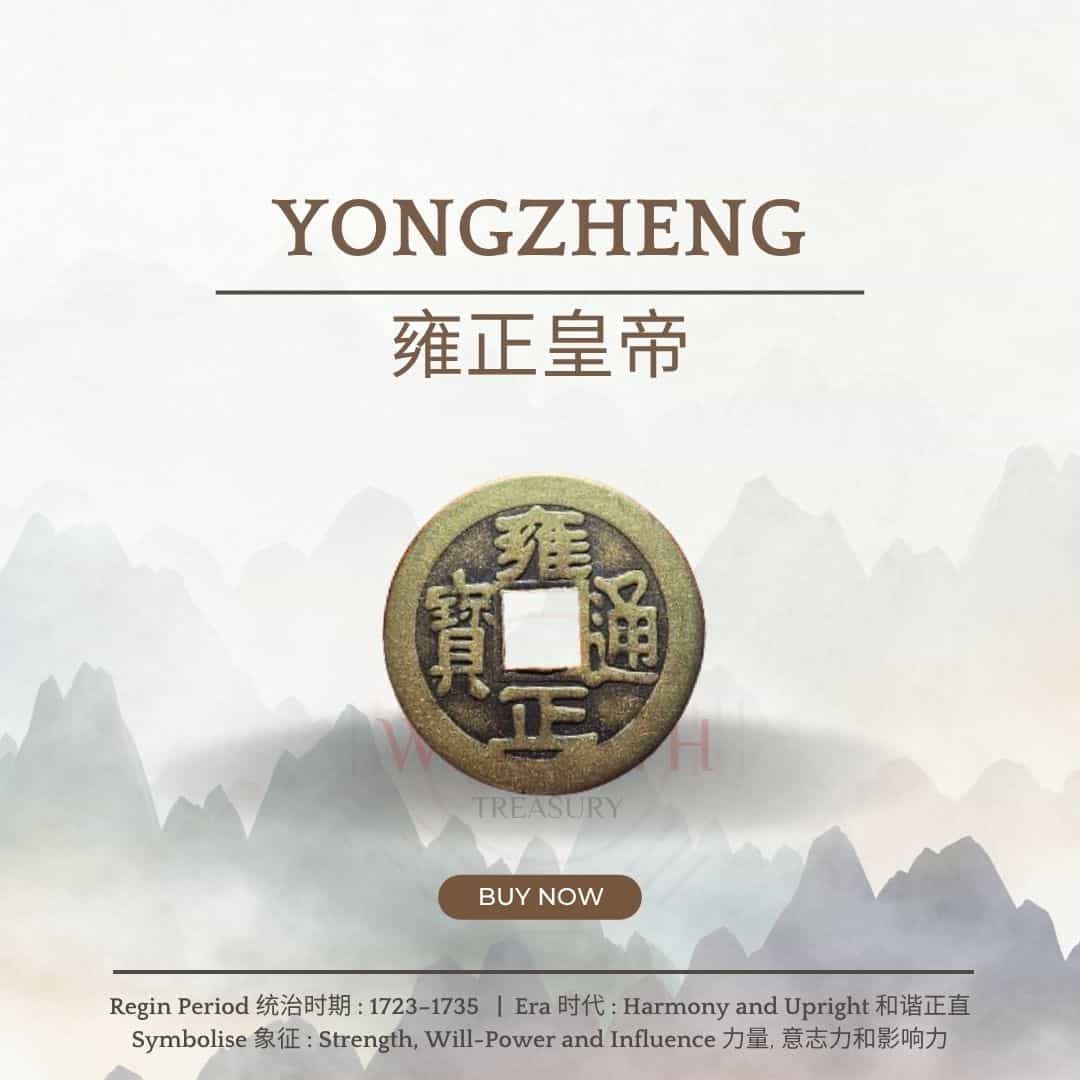
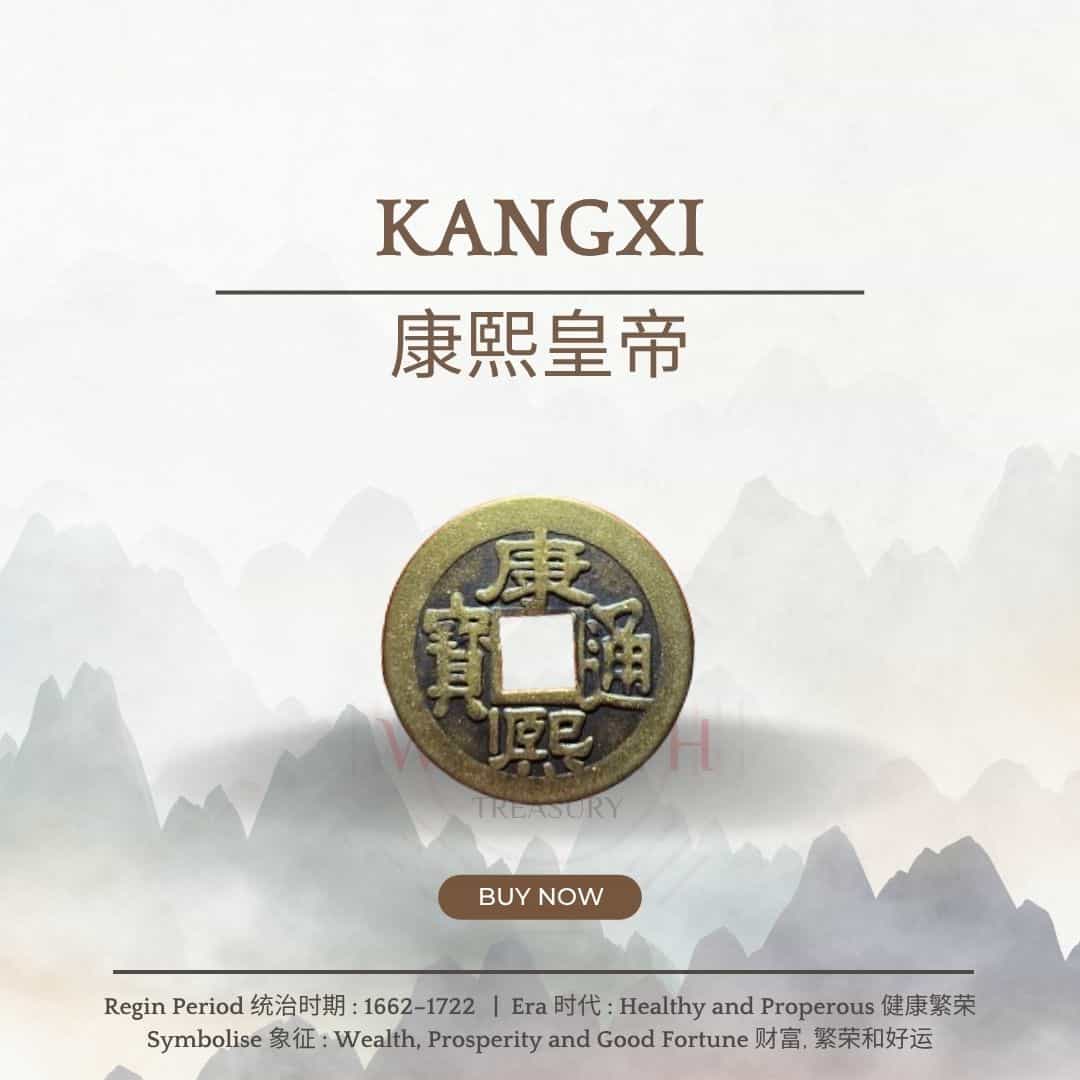
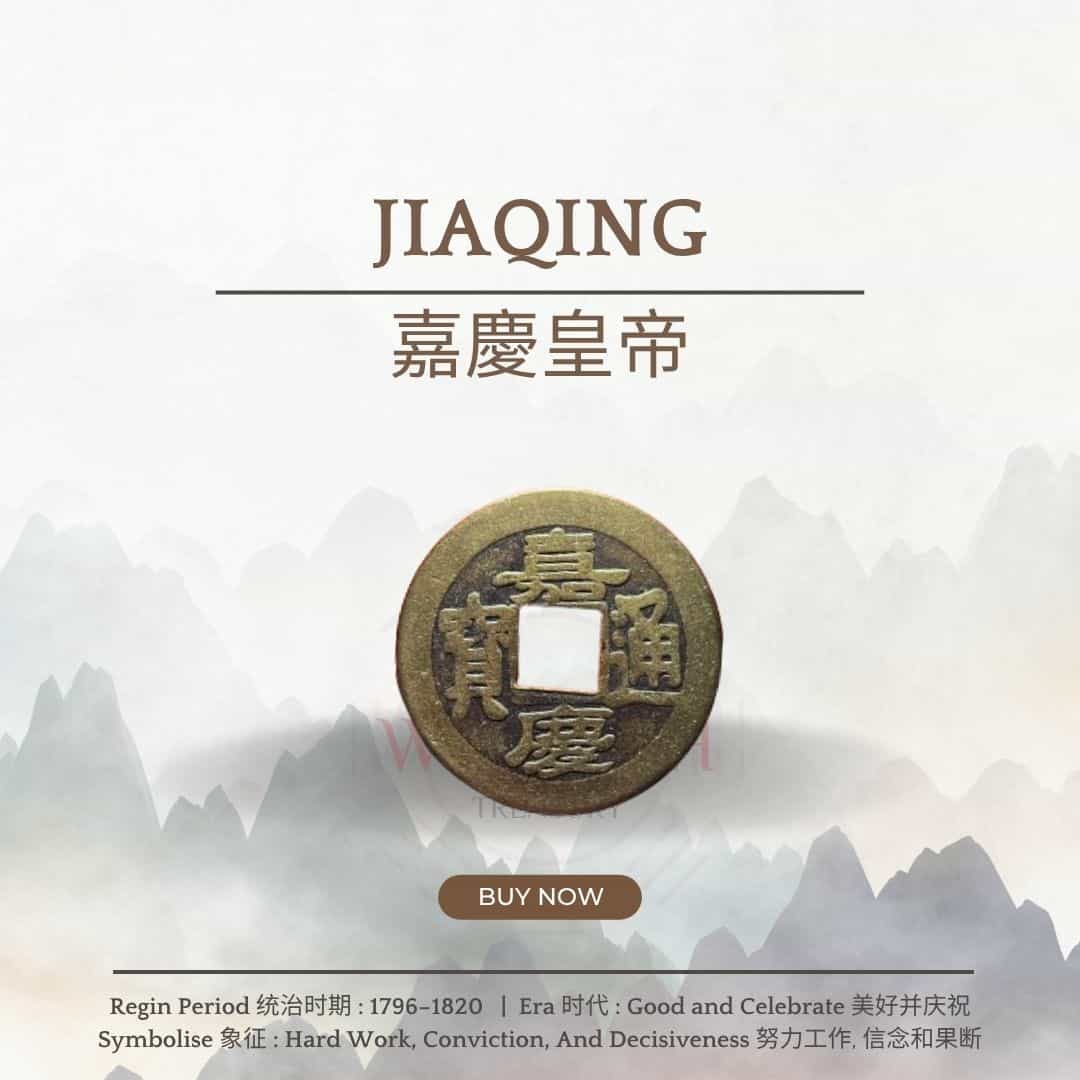
The Shunzhi coin, called Shunzhi Tongbao (順治通寶), was minted during the reign of the Shunzhi Emperor, the first Qing dynasty emperor to rule over most of China (1644–1661). These coins followed the traditional cash coin format, being round with a square hole in the center, symbolizing the harmony of heaven (round) and earth (square). The obverse inscription reads “順治通寶,” meaning “circulating treasure of Shunzhi,” written in Chinese characters, often in a bold, slightly archaic style. The reverse side typically bears mint marks in Manchu script, identifying the minting authority. The two primary mints were the Board of Revenue (寶源) and the Board of Works (寶泉) in Beijing, but as the Qing expanded, regional mints across China also produced Shunzhi coins, each with its own distinct mint mark. Most were cast in bronze or brass, but iron and lead versions are also known, especially from provincial mints. Shunzhi Tongbao coins are significant because they represent the Qing dynasty’s early consolidation of power after replacing the Ming dynasty. While many common specimens are readily available today, certain regional issues or stylistic variations can be highly collectible. For historians and collectors alike, these coins reflect both the political transition of 17th-century China and the early identity of the Qing monetary system.
Product Information
Product Information
Shipping & Returns
Shipping & Returns